English1-Summary
Grammar Summary Masterclass
Your Interactive Guide to Essential English Grammar Structures, Rules, and Applications
1 Simple Present Tense
Use
We use the simple present tense to talk about regular habits, daily routines, personal likes or dislikes, and general, permanent facts.
Structure Breakdown
1. Affirmative Form
Forming the affirmative changes slightly depending on the grammatical subject group.
| Subject Group | Verb Form | Example Sentence |
|---|---|---|
| I / You / We / They | Base Verb | I like pop music. |
| He / She / It | Verb + s / es / ies | She likes horror movies. |
More Affirmative Examples:
- He likes action movies.
- She listens to music every day.
- My brother watches comedy movies.
2. Negative Form
To construct negative sentences, we bring in the auxiliary verbs don't or doesn't. The main verb always stays in its base form.
| Subject Group | Auxiliary | Base Verb | Example Sentence |
|---|---|---|---|
| I / You / We / They | don't | like | I don't like horror movies. |
| He / She / It | doesn't | like | She doesn't like rock music. |
Incorrect: She doesn't likes music.
Correct: She doesn't like music.
More Negative Examples:
- They don't watch romantic movies.
- He doesn't watch dramas.
3. Questions and Short Answers
Start your questions with Do or Does to ask about routines or general truths.
Structure: Do / Does + Subject + Base Verb...?
- Do you like pop music? From yes I do or no I don't.
- Do they watch movies? From yes they do or no they don't.
- Does she like comedy movies? From yes she does or no she doesn't.
- Does he listen to reggaeton? From yes he does or no he doesn't.
Interactive Practice: Simple Present
Choose the grammatically correct sentence:
2 Likes, Dislikes, and Preferences
Use
Expressions of preference let you share your perspective on entertainment genres, personal hobbies, pastimes, and everyday interests.

Useful Expressions Reference Guide
| Expression | Intensity / Type | Detailed Application Example |
|---|---|---|
| I love... | Very Strong Positive | I love pop music. It makes me want to dance. |
| I enjoy... | Positive / Experience | I enjoy watching comedies. |
| I like... | Standard Positive | I like action movies. They are exciting. |
| I prefer... | Choice / Contrast | I prefer rock music over pop music. |
| My favorite... is... | Number One Choice | My favorite movie genre is comedy. |
| I don't like... | Standard Negative | I don't like horror movies. They scare me. |
| I hate... | Strong Negative | I hate sad movies. They make me feel down. |
Example: She enjoys listening to music after class.
Expanded Everyday Context Examples:
- I like science fiction movies because the special effects are great.
- I don't like romantic movies; I find them too predictable.
- I prefer comedy because it is funny and helps me relax.
- My favorite singer is Shakira. Her songs are catchy.
3 Frequency Adverbs
Use
Frequency adverbs indicate how often an activity takes place, ranging from a constant frequency down to an action that never occurs.
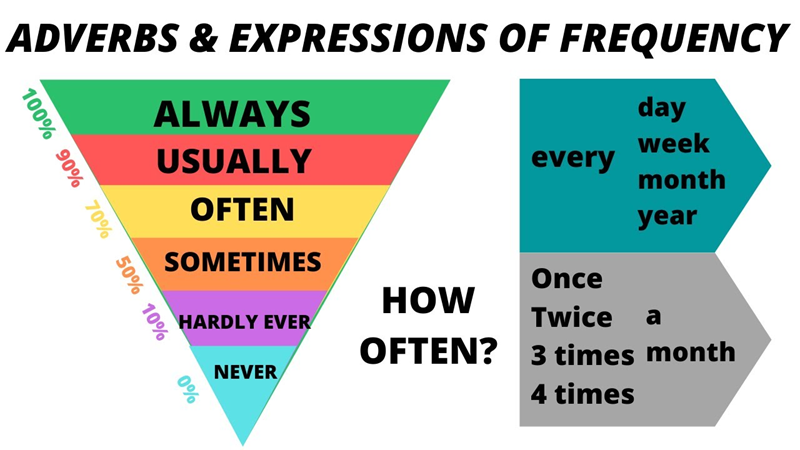
The Frequency Scale Table
| Adverb | Approximate Frequency Percentage | Conceptual Meaning |
|---|---|---|
| always | 100% | Every single time without exception |
| usually | 85% - 90% | On most occasions; normal routine |
| often | 60% - 70% | Many times; frequently |
| sometimes | 40% - 50% | Occasionally; not always but not rare |
| hardly ever | 5% - 10% | Almost never; highly unusual |
| never | 0% | Not at any time; impossible |
Sentence Placement Rules
Placement depends on the type of verb used in the clause:
Rule A: Placed BEFORE the main action verb
- I usually buy coffee before work.
- She often spends money on clothes.
- They sometimes eat at the school cafeteria.
Rule B: Placed AFTER the verb 'Be' (am, is, are)
- I am always tired after a long shift.
- He is usually careful with his monthly budget.
Contextual Focus: Money and Shopping Habits
- I usually save money at the end of the month.
- She often buys snacks during the afternoon break.
- He sometimes shops online when there is a sale.
- They hardly ever buy new clothes because they prefer vintage styles.
- I never spend all my money on the first week.
Interactive Practice: Sentence Word Order
Which sentence features correct placement of the frequency adverb?
4 Would Like To
Use
We use the expression would like to to express hypothetical wishes, career dreams, or future intentions. It serves as a polite or formal alternative to saying want.
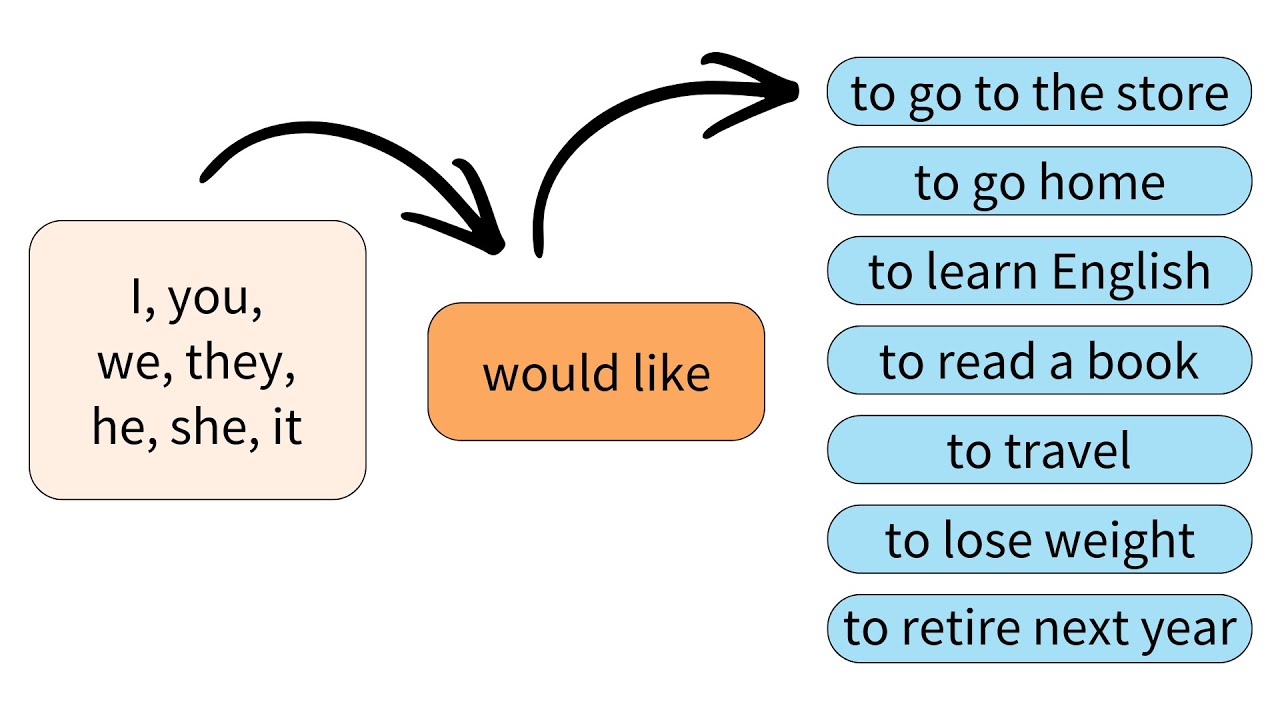
Grammar Blueprint
- I would like to be a teacher when I graduate.
- She would like to work in a multinational company.
- They would like to study abroad next semester.
- I wouldn't like to be a doctor; I don't like hospitals.
- He wouldn't like to work at night because he values sleep.
Question Inversion
Invert the subject and the auxiliary verb would to frame open or closed questions.
- Would you like to be an engineer? From yes I would or no I wouldn't.
- Would she like to work with children? From yes she would or no she wouldn't.
5 Can / Can't (Abilities)
Use
The modal verb can describes inherent talents, learned professional skills, or physical possibilities. Can't describes an inability to perform an action.

Structural Properties
Modal verbs are special: they do not change form depending on the subject, and they are always followed directly by the pure base verb.
| Sentence Type | Structural Recipe | Applied Classroom Example |
|---|---|---|
| Affirmative | Subject + can + Base Verb | I can speak English fluently. |
| Negative | Subject + can't + Base Verb | I can't drive a manual car. |
| Question | Can + Subject + Base Verb? | Can you speak English? |
Incorrect: I can to speak English. · Correct: I can speak English.
More Contextual Examples:
- She can use a computer to write scripts.
- They can work efficiently within a cross-functional team.
- He can't give high-stakes presentations without feeling nervous.
- They can't use complex Excel formulas very well yet.
- Can he use modern digital technology? From yes he can.
- Can they work under intense workspace pressure? From no they can't.
6 Be Good At / Be Bad At
Use
While can measures general possibility or absolute ability, the fixed expressions be good at and be bad at quantify your specific expertise or skill level regarding a particular task.
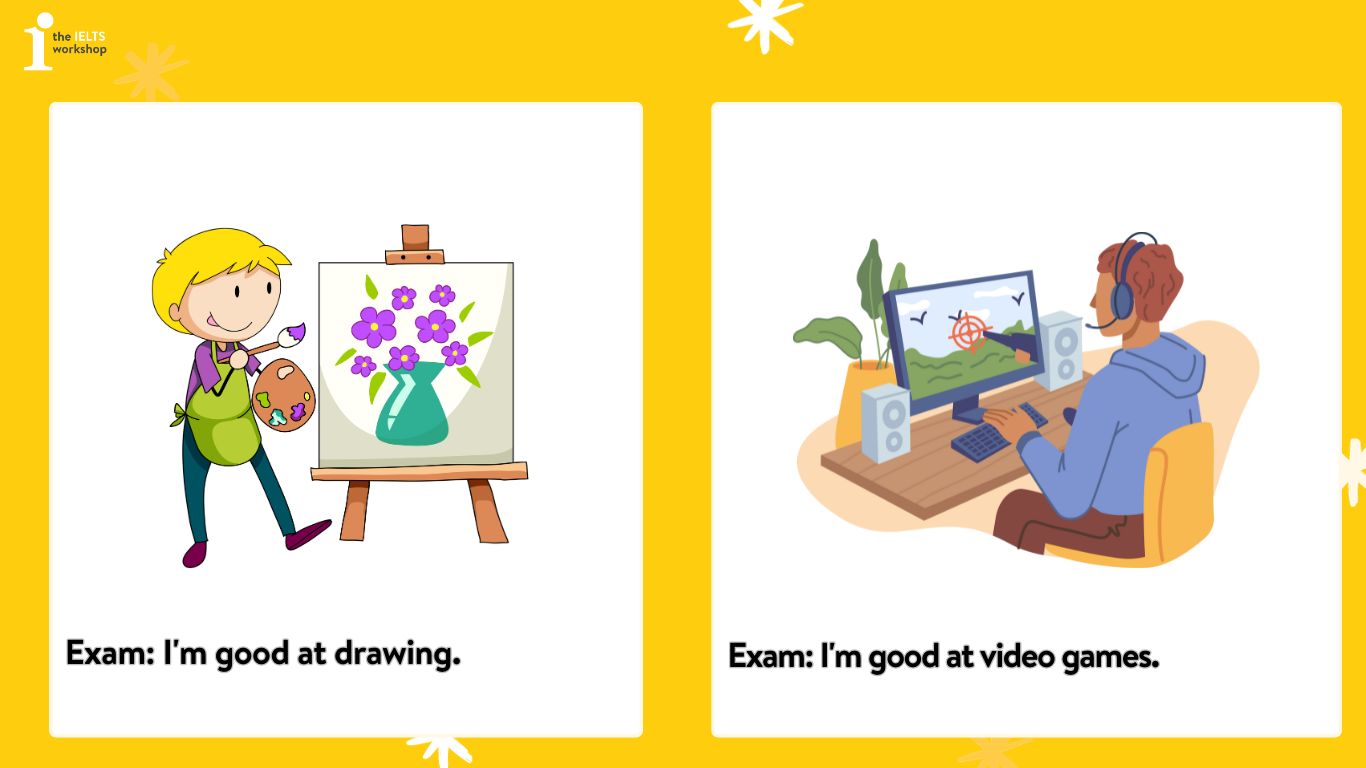
Grammar Formula & Patterns
The preposition at must always be followed by either a Noun (thing) or a Gerund (Verb + ing).
Pattern 1: Followed by a Noun
- I am good at soccer.
- I am not good at math.
Pattern 2: Followed by a Gerund (Verb-ing)
- She is good at speaking English.
- They are good at solving complex problems.
- He is not good at using desktop computers.
- I am bad at dancing salsa.
- She is bad at cooking complex meals.
- They are bad at organizing their weekly schedule.
Incorrect: I am good at play soccer.
Correct: I am good at playing soccer.
Forming Questions
- What are you good at?
- Are you good at speaking in public?
- Is he good at configuring complex technology?
7 & 8 Describing Gadgets: "It Can..." vs "You Can Use It To..."
Use
When presenting technology, electronic gadgets, or software tools, we use these distinct structural paths to outline technical capability versus human-centric utility.
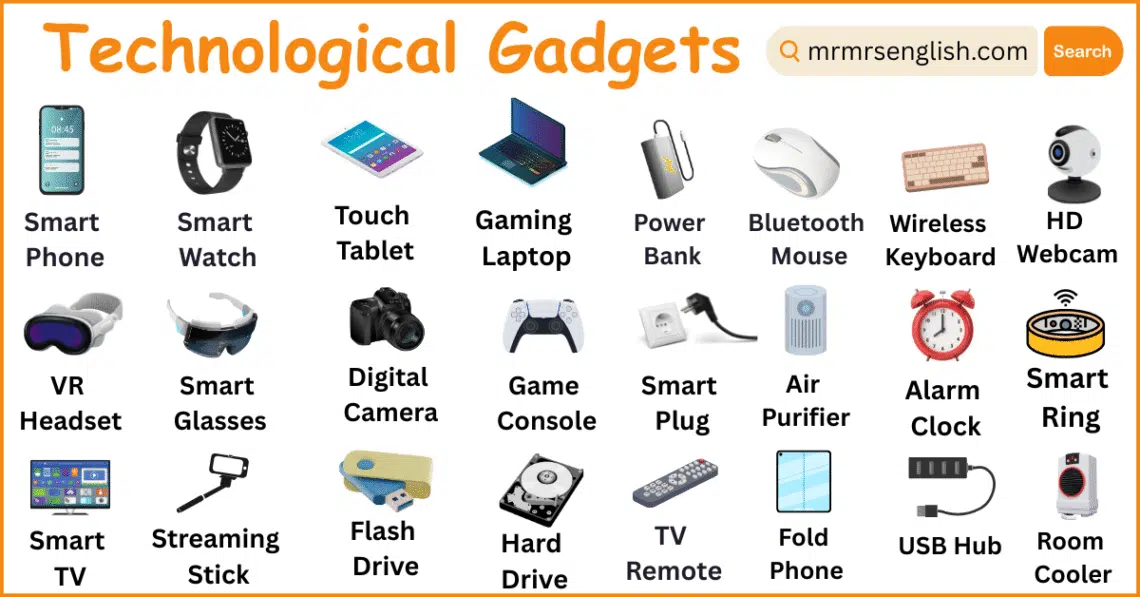
Side-by-Side Architectural Contrast
| Structure | Core Grammatical Recipe | Target Meaning Focus |
|---|---|---|
| It can... | It can + Base Verb | The object's inherent capacity: Focuses directly on the device's feature list or engineering specifications. |
| You can use it to... | You can use it to + Base Verb | The ultimate human purpose: Focuses on what the human user achieves by operating the item. |
Contextual Examples Case Study: Smartphone Features
Technical Capacity (It can...)
- It can send immediate notifications.
- It can play high-fidelity music tracks.
- It can track your daily steps via built-in gyroscope.
- It can connect automatically to your laptop phone link.
- Incorrect Form: It can to send messages.
Human Utility (You can use it to...)
- You can use it to listen to your favorite podcasters.
- You can use it to take ultra-wide landscape photos.
- You can use it to study complex grammar units anywhere.
- You can use it to check messages while commuting.
- Incorrect Form: You can use it send messages.
Negative and Interrogative Variations
- Negative: It can't cook food. / It can't function without a charged lithium battery.
- Questions: What can it do? / Can it connect directly to the internet? / Can it take pictures under water?
9 & 10 Sequence & Time Clauses: Organizing Processes and Chronology
Use
Sequence words provide structural signposts to walk listeners through chronological steps, while time connectors look at the relationship between actions.

1. Sequence Words Breakdown
| Sequence Indicator | Strategic Process Position | Application Example (The Hiking Routine) |
|---|---|---|
| First | The exact beginning stage | First, check the local mountain weather report. |
| Then | The immediate following step | Then, prepare your heavy-duty trail backpack. |
| Next | Another logical structural step | Next, bring filtered water and nutrient-dense snacks. |
| After that | Moving forward sequentially | After that, start walking slowly up the trail path. |
| Finally | The definitive closing step | Finally, rest deeply after completing the long hike. |
2. Advanced Time Clauses: Before, After, and When
These subordinating conjunctions tie separate events together in a single clear timeline.
Incorrect: Before I will study, I relax.
Correct: Before I study, I relax.
Chronological Applications:
- Before I take a major exam, I study systematically.
- Before I go hiking on weekends, I check the trail safety maps.
- Before morning class starts, I review my vocabulary notes.
- After I finish a difficult class, I relax with friends.
- After exhausting exams, I sleep for nine hours.
- After standard work hours, I exercise at the gym.
- When I feel intensely stressed, I listen to classical piano tracks.
- When I have overwhelming homework, I manage my time carefully.
- When she feels visibly nervous, she asks for immediate help.
11 Advice Language
Use
When someone is encountering personal or professional challenges, use advice language structures to suggest productive solutions politely.
Strategic Advice Frameworks
| Grammar Structure | Degree of Directness | Practical Student Advice Example |
|---|---|---|
| You should... + Base Verb | Direct Standard Recommendation | You should sleep well before an exam. |
| Try to... + Base Verb | Gentle, Suggestive Approach | Try to manage your time using a planner app. |
| It is important to... + Base Verb | Objective, Value-Driven | It is important to ask for help when stuck. |
| Don't... + Base Verb | Direct Preventive Prohibition | Don't study all night without taking breaks. |
Holistic Counseling Examples:
- You should relax before high-stakes exams.
- Try to sleep eight uninterrupted hours every night.
- It is important to manage your study time proactively.
- Don't drink too much caffeine during late-night study sessions.
- When you feel stressed, ask your course tutor for support.
12 Synthesis Mastery Workshop
The Ultimate Target Standard
The goal of this course is for you to fluidly blend these 11 grammar tools into descriptive, cohesive written paragraphs or spoken monologues.
Integrated Synthesis Text Example:
"I am good at hiking. I can walk for many hours, but one challenge is feeling tired on long mountain trails. Before I go hiking, I check the weather report and prepare fresh water. When I feel exhausted on a steep slope, I stop and rest. After the hike is over, I eat healthy food and relax at home. My advice for complete beginners is to walk slowly and enjoy the natural scenery."
Syntax Architecture Breakdown Matrix
Look at how the components of the synthesis text fit together:
| Extracted Clause Segment | Active Grammar Rule Applied |
|---|---|
| "...good at hiking." | Be good at + Gerund Form |
| "I can walk for many hours..." | Modal verb for physical ability |
| "Before I go hiking, I check..." | Time clause requiring simple present tense |
| "When I feel exhausted... I stop..." | Time clause defining immediate situational reaction |
| "After the hike is over..." | Time clause establishing chronology |
| "...is to walk slowly and enjoy..." | Imperative advice block structure |
× Master Error-Correction Desk
Review this table to avoid the most frequent mistakes made by English language learners across these units:
| Incorrect Construction | Correct Construction | Core Grammatical Reason for Correction |
|---|---|---|
| She like music. | She likes music. | Third-person singular subjects (he/she/it) require an -s on the verb. |
| He don't watch movies. | He doesn't watch movies. | Third-person singular requires the auxiliary doesn't in negative statements. |
| She can speaks English. | She can speak English. | Modal verbs always take the base form; never append an -s to the main verb. |
| I am good at play soccer. | I am good at playing soccer. | The preposition at must be followed by a gerund (Verb+ing). |
| Before I will study, I relax. | Before I study, I relax. | Future-facing time clauses utilize the simple present tense format. |
| It can to send messages. | It can send messages. | The modal can connects directly to the base verb without the word to. |
| You can use it send messages. | You can use it to send messages. | The structure requires the full infinitive pattern: use it + to + verb. |
| I very like music. | I like music very much. | The intensifier "very much" or "a lot" belongs at the end of the clause. |


